In short
- Patronized by the Rashtrakuta dynasty between 600 CE and 1000 CE.
- Carved entirely top-down from solid volcanic basalt rock.
- Designed as an enormous chariot-shaped temple dedicated to Lord Shiva.
In this article
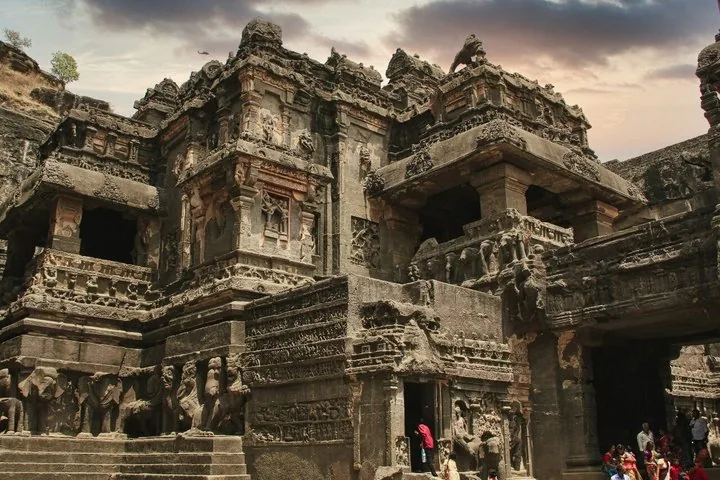
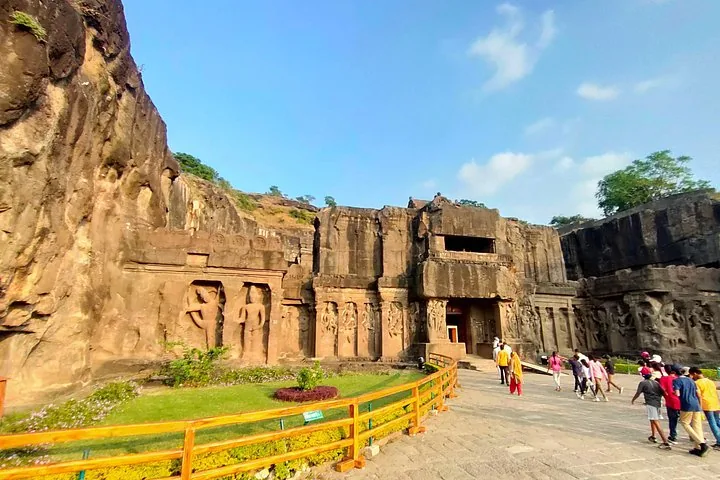
Cave 16 is the crowning masterpiece of the Ellora Caves complex. Known as the Kailasa Temple, it sits in the middle of a 2-kilometer stretch of monuments carved into the Charanandri hills. Unlike standard buildings constructed by stacking stones, artisans created this temple by removing rock. The result is a highly detailed, freestanding structure excavated directly out of the cliff.
Who built the Kailasa Temple at Ellora?
The temple was excavated during the reign of the Rashtrakuta dynasty.
The Ellora Caves complex was built over four centuries, between 600 CE and 1000 CE. The Rashtrakuta and Yadava dynasties sponsored these massive rock-cut projects. The Hindu group of caves, which includes Cave 16, represents the most dramatic phase of construction during the Rashtrakuta period.
How was the Kailasa Temple carved?
Artisans carved the entire structure top-down from a single sheer rock face.
Workers started at the top of the cliff and trenched their way downward. They excavated thousands of tons of rock to isolate a central monolith. Once the rough shape emerged, stone carvers added fine architectural details, rooms, and large sculptural panels directly into the rock. This top-down method required exact planning, as a single mistake in the rock could not be replaced.
What kind of rock is the temple made from?
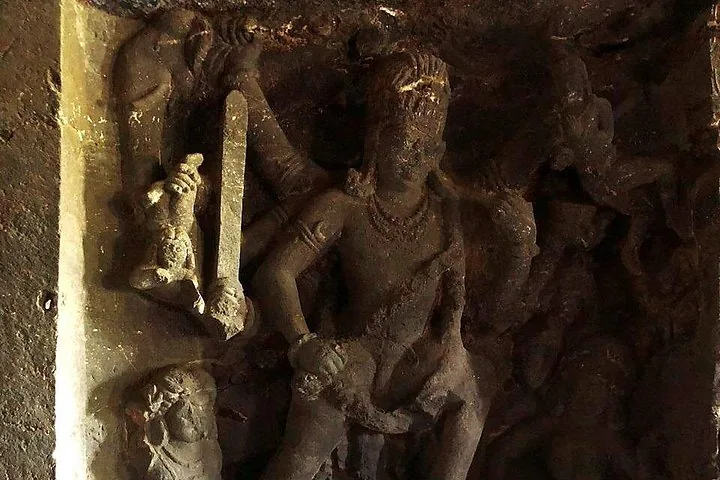
The temple is carved from volcanic basalt.
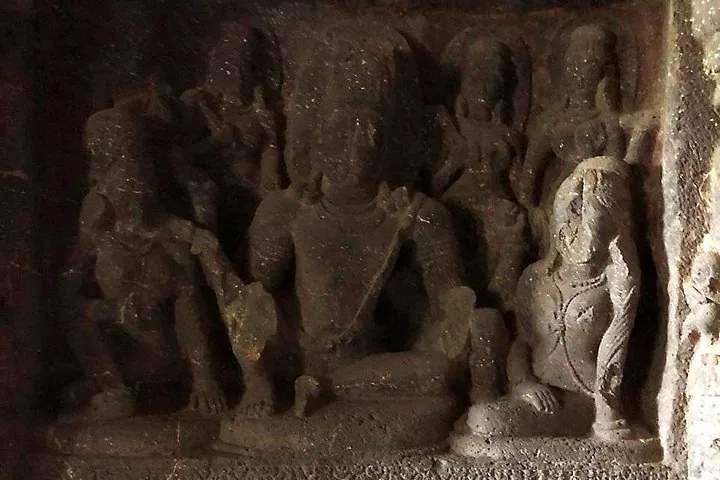
The Charanandri hills consist of a specific volcanic basaltic rock formation known as the Deccan Trap. This dark rock is highly durable. It allowed ancient artisans to carve massive, load-bearing pillars and delicate relief sculptures that have survived for over a thousand years.
What is the architectural style of Cave 16?
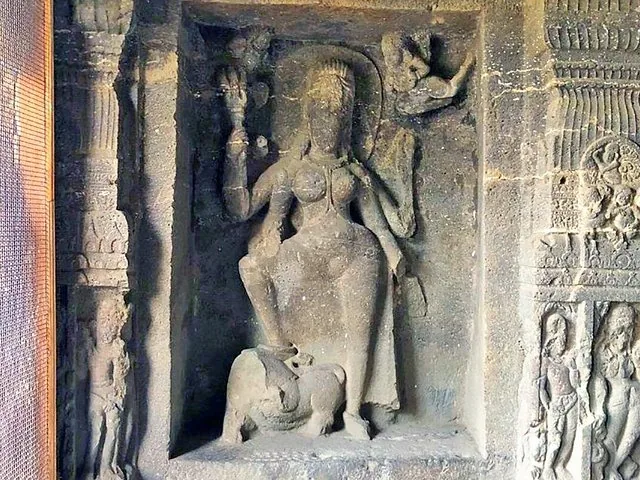
The Kailasa Temple is an enormous chariot-shaped structure dedicated to Lord Shiva.
The temple is designed to resemble Mount Kailash, the mythical home of Lord Shiva. The main structure sits in a large, open lower courtyard. The walls surrounding this courtyard are covered with epic relief panels depicting stories from the Ramayana and the Mahabharata.
How can you visit the Kailasa Temple today?
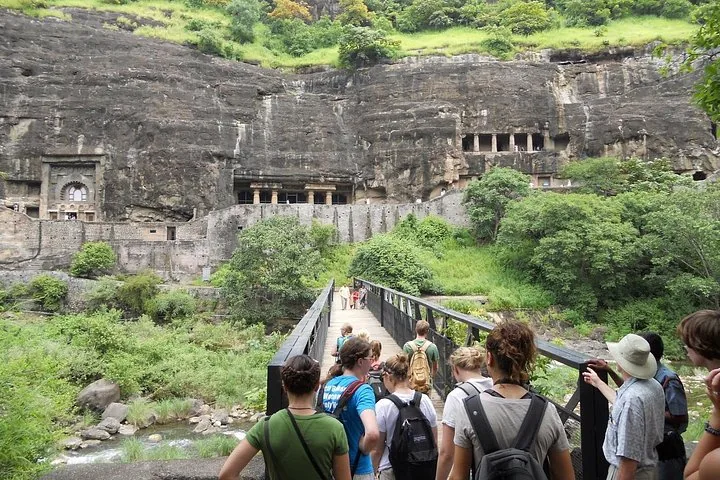
Cave 16 is open to the public as part of the Ellora Caves complex.
Visitors can access the Kailasa Temple using the standard ASI entry ticket. The site is closed to all visitors every Tuesday for maintenance. The Archaeological Survey of India (ASI) charges ₹40 for Indian citizens and ₹600 for foreigners. You should allow 1 to 2 hours just to explore the lower courtyard and galleries of Cave 16.

Questions travellers ask
Why is the Kailasa Temple famous?
It is famous for being the world's largest single monolithic rock excavation. It was carved entirely from a single rock face using a top-down technique.
Who built the Ellora Caves?
The caves were built by multiple ancient Indian dynasties. The Rashtrakuta and Yadava dynasties were responsible for construction between 600 CE and 1000 CE.
Is Cave 16 the only monolithic temple at Ellora?
No, Cave 30 (Chhota Kailash) in the Jain group also uses the top-down monolithic carving technique. It was designed to mimic the grandeur of Cave 16 on a smaller scale.